
What Homeowners Insurance Covers After a Loss

Whether a claim pays turns on a handful of distinctions most homeowners have never had to think about: sudden versus gradual, the cause versus the result, wind-driven rain versus rising water. The damage can look identical either way. The words in the policy decide.

This page explains the distinctions we see decide claims every week in San Diego County. We are restoration contractors, not adjusters or insurance agents, so treat it as a field guide and read your own policy for the terms that apply to you.

If you have water in the building right now, call 858-397-2270 first and read this later. Here is how the claims process works, start to finish.
Get Help Now!

By submitting my data I agree to be contacted

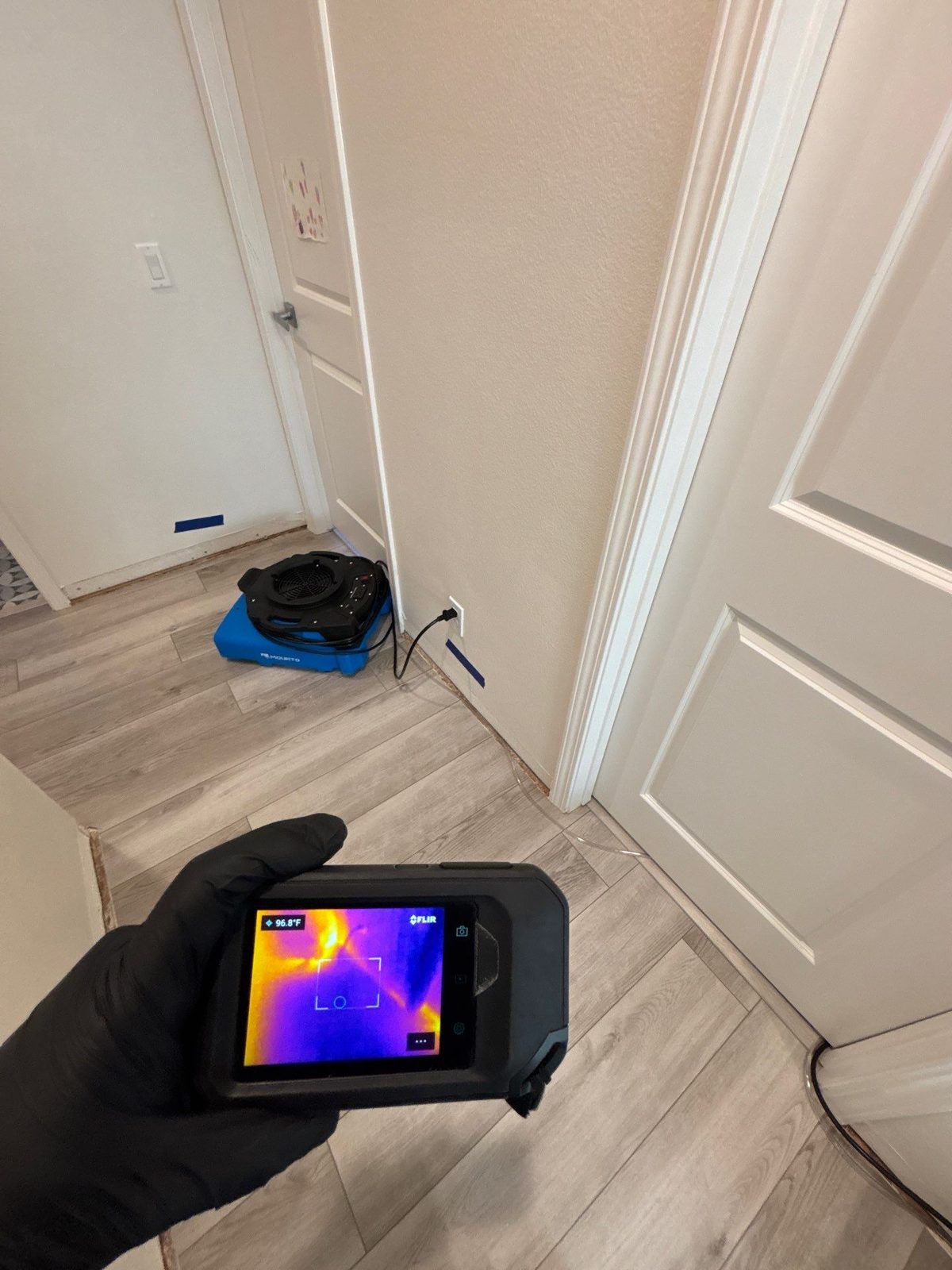
Thermal camera showing moisture behind a hallway wall during water damage restoration in a San Diego home

Sudden and Accidental Versus Gradual

The Distinction That Decides Most Water Claims

A standard homeowners policy covers damage that is sudden and accidental: a supply line that lets go, a water heater that fails, a pipe that bursts. It generally excludes damage that happened gradually: a pinhole leak that has been seeping behind a wall for months, a roof that has been weathering in for years, a shower pan that failed slowly. The wet drywall looks the same. What the adjuster is deciding is when the loss started and what actually failed.

What tends to be covered:

  • Burst or failed supply lines and pipes
  • Water heater and appliance failures (the resulting damage, not always the appliance)
  • Toilet and tub overflows
  • Fire and smoke, including the water used to put the fire out
  • Wind, and rain that enters through an opening the wind created
  • A vehicle striking the building (usually the driver’s policy first)
  • A tree coming through the roof

What tends to be excluded:

  • Gradual leaks, seepage, and long-term moisture
  • Deferred maintenance and wear
  • Flood, meaning rising surface water from outside the building
  • Earth movement
  • Mold beyond a small sub-limit on many policies
  • The failed part itself: the pipe, the appliance, the worn roof section

Every policy is different. These are the patterns, not the rules.

Why Documentation Decides It

Because the cause and the timeline decide coverage, what gets recorded on day one matters more than any argument made later. Photograph the failed part before it is replaced. Keep the plumber’s invoice that names what broke. Note the date you found the water and the last time the area was dry. We document from the first visit for exactly this reason.

What we record on the first visit:

  • The failed component, photographed in place before it is repaired
  • Moisture readings mapping how far the water travelled
  • The category of water: clean, gray, or black
  • The materials affected and their condition
  • A written timeline from what you tell us

That record goes to your adjuster in the format carriers expect, and it is usually what turns a question into an approval.

The Cause Versus the Damage: Who Pays for What

This one catches almost everyone. On a covered loss, insurance pays for the resulting damage. It generally does not pay to fix the thing that failed.

If a supply line bursts, the carrier pays to dry and rebuild the kitchen. You pay the plumber for the new line. If a tree comes through the roof, the carrier pays for the roof and the interior, and getting the tree off the house is usually covered. Hauling it out of the yard often is not, or only up to a small limit.

We can usually quote the cause-of-loss repair on site, so you are not hunting for a second contractor while the building is open.
The typical split on common losses:

Burst pipe. Carrier: drying, drywall, flooring, cabinets. You: the pipe repair.

Water heater failure. Carrier: the resulting water damage. You: the new water heater, unless a separate coverage applies.

Roof leak in a storm. Carrier: the interior damage and the storm-damaged roof section, if wind created the opening. You: a roof that was already worn out.

Vehicle impact. The driver’s liability policy first. Yours if the driver was uninsured or fled.

Tree through the roof. Carrier: roof, interior, and removal from the structure. You: often the yard cleanup beyond a small limit.

Ask your adjuster which side of the line each item falls on before work starts, not after.

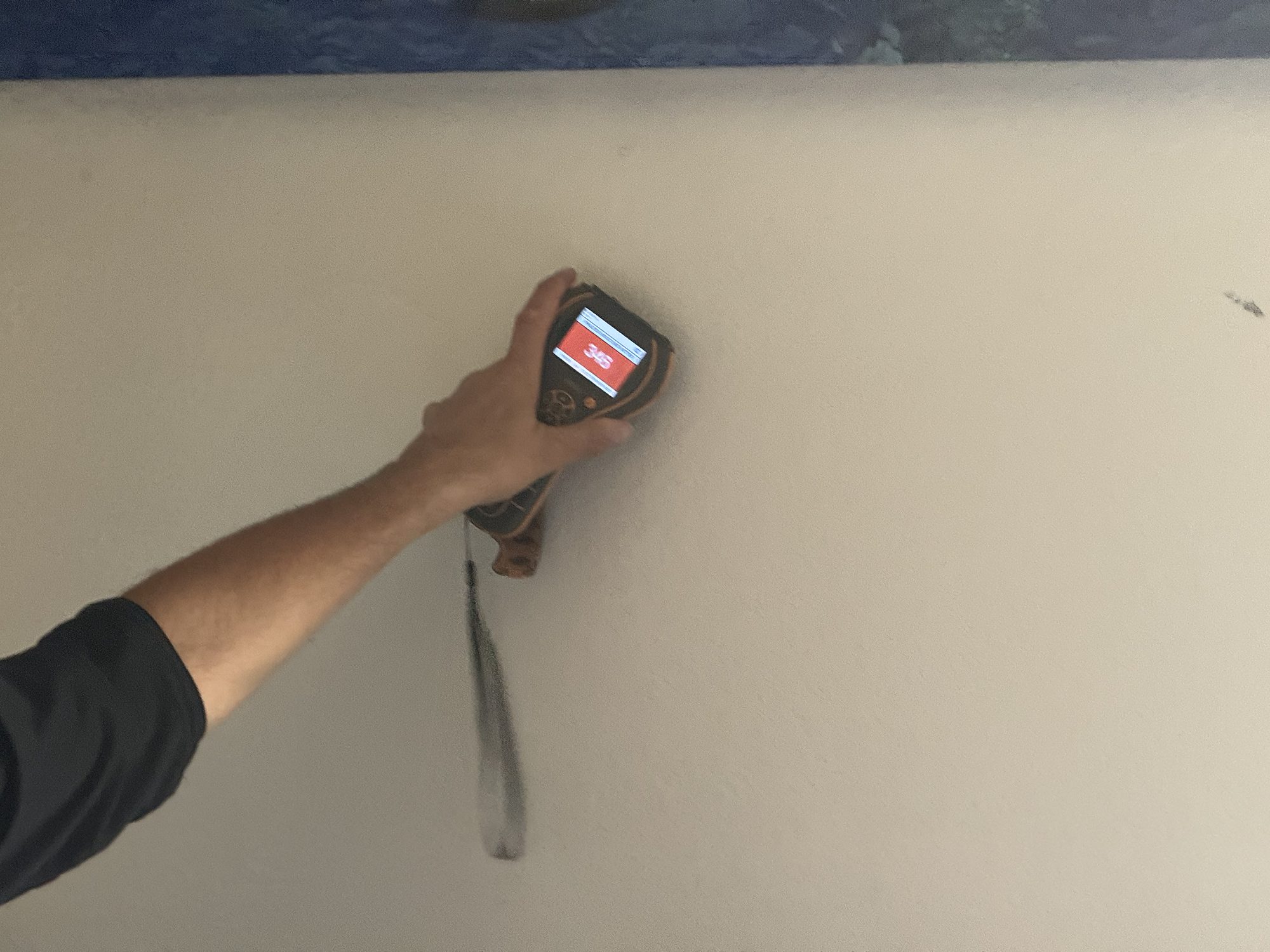
Technician taking a moisture meter reading to locate hidden water inside a wall in a San Diego home
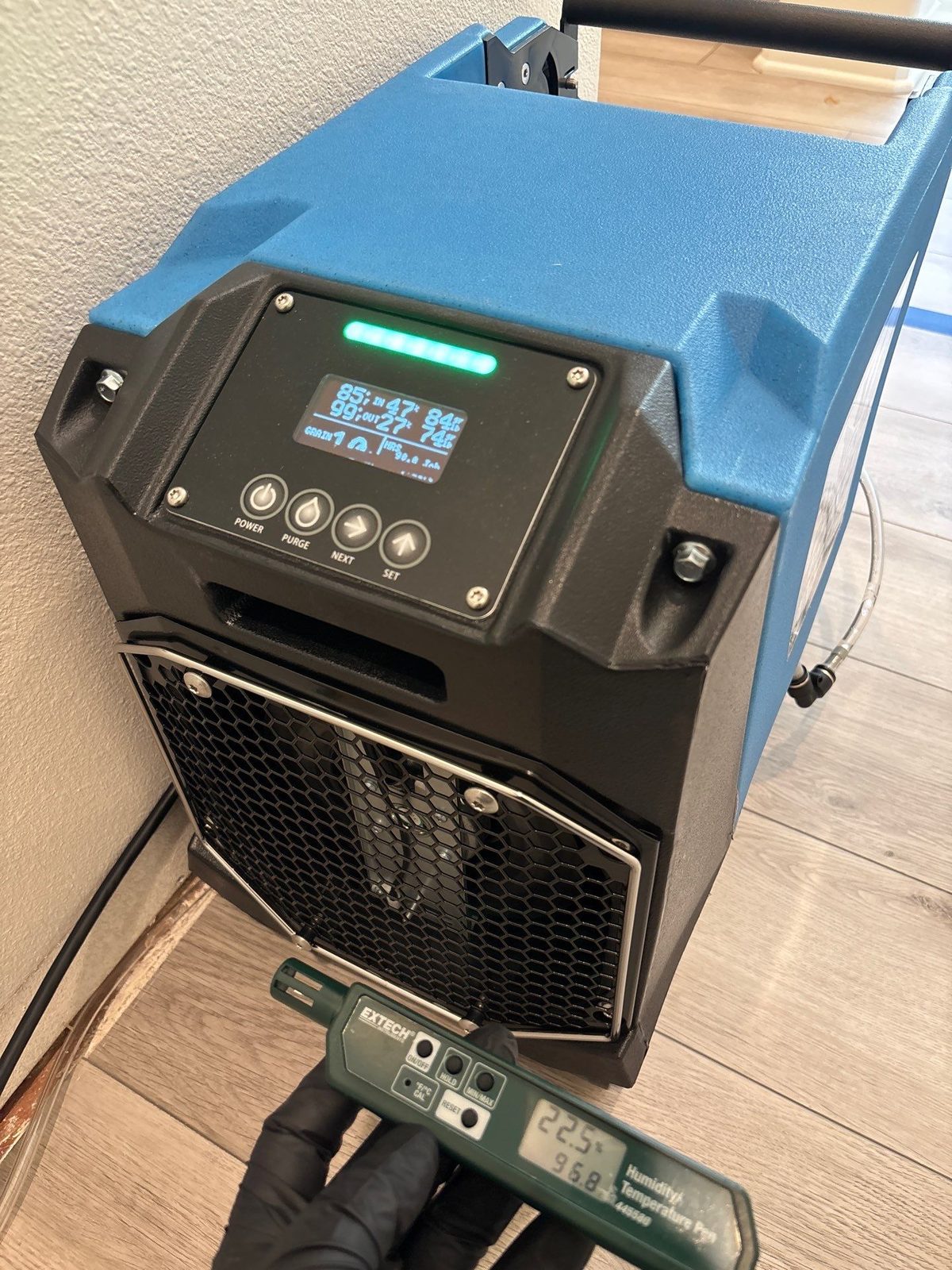
Technician logging daily moisture readings off an LGR dehumidifier during structural drying in San Diego

Why San Diego Homeowners Ask CCR About Coverage

  • We know the claims process. We document and scope in the format carriers expect, which is usually what decides whether a question becomes an approval.
  • We document the cause, not just the damage. The failed part, photographed in place, before anyone replaces it.
  • Documented drying. Daily moisture readings logged and provided to your adjuster.
  • An IICRC-certified firm. Certified technicians in the field, with management oversight on every loss.
  • Reconstruction is our core business. Mitigation and rebuild under one company, so nothing falls between two contractors.
  • Approved vendor on more than ten insurance carrier programs. We are not permitted to name them here, but adjusters know us.
  • Multiple-time Top Performer and Golden Hammer award winner. Both are scored on service, quality, and communication.
  • Licensed, bonded, and insured. California contractor’s license #813685.

Claims Fluency. Xactimate scoping, documented supplements, invoicing built to release depreciation

Cause-of-Loss Documentation. The failed component recorded before repair, with a written timeline

Documented Drying. Daily moisture readings logged and provided to your adjuster

IICRC-Certified Firm. Certified technicians in the field, with management oversight on every loss

Single Source. Mitigation and reconstruction under one company

Straight Answers. If we think a loss will not be covered, we say so before you spend money

Flood, Storm, and the Exclusions That Surprise People

  • Flood is excluded from standard homeowners and commercial policies entirely. Flood means rising surface water from outside: a storm drain backing up across your floor, a creek, hillside runoff. It needs separate flood insurance, through the NFIP or a private carrier, and you do not have to be in a mapped flood zone to flood.
  • Wind-driven rain through an opening the storm created is generally covered. Rain through a roof that was already worn out is usually treated as deferred maintenance.
  • Sewer backup is often excluded unless you carry a water backup endorsement. It is inexpensive. Ask your agent.
  • Mold is commonly capped at a small sub-limit. Drying fast is the best mold coverage you have.
  • Ordinance or law coverage pays to bring repairs up to today’s code. Many policies include it at a limited percentage. Some exclude it.
  • Additional living expenses pays for temporary housing while the home is uninhabitable, usually for a set period or amount.
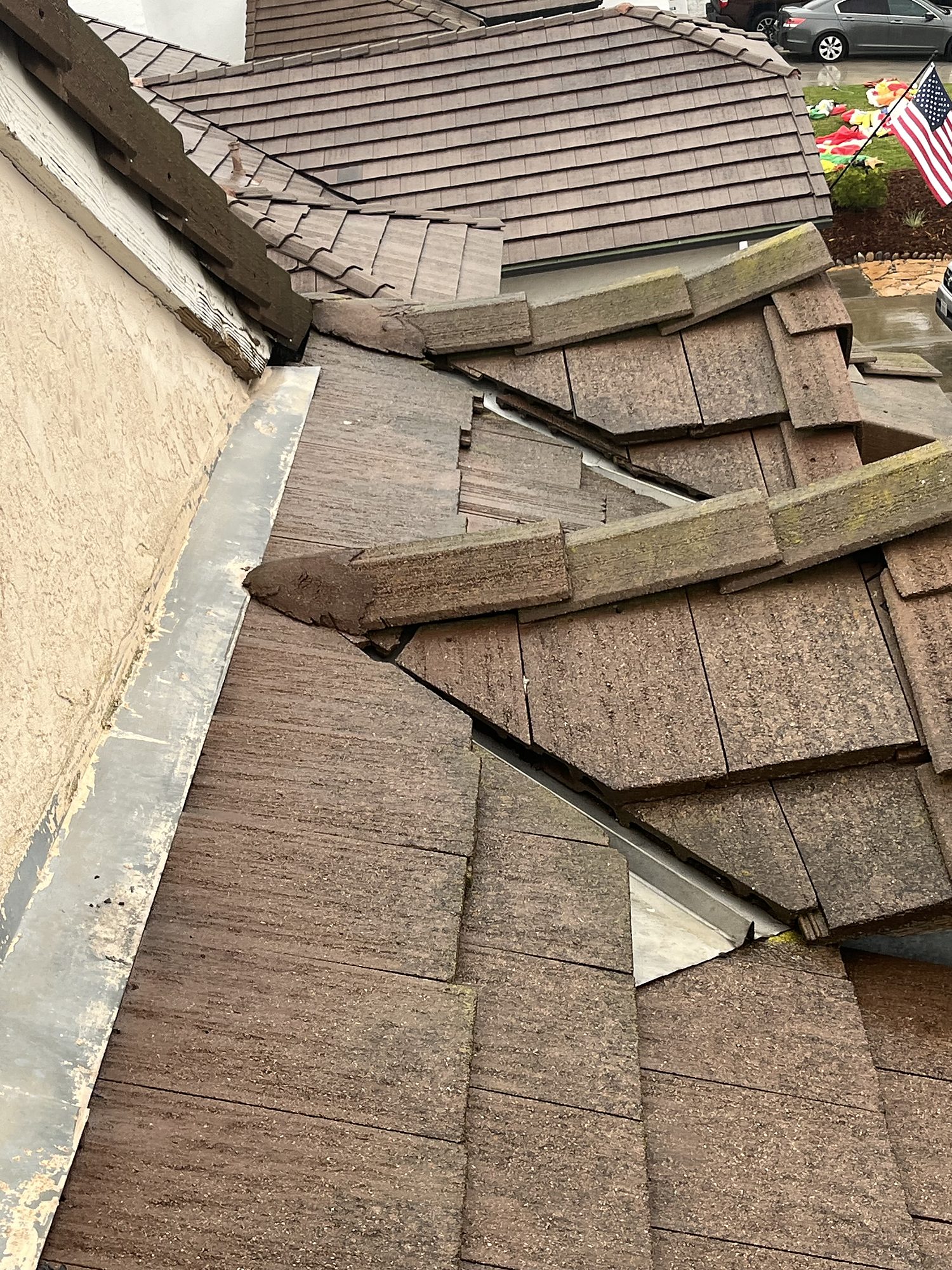
Displaced and cracked concrete roof tiles leaving the underlayment exposed after wind damage in San Diego

Coverage After a Loss: Common Questions

Usually, if it was sudden and accidental. Usually not, if it was gradual.

A pipe that bursts, a water heater that fails, a supply line that lets go: those are sudden, and generally covered. A pinhole leak that has been seeping for months, or a roof that has been weathering in for years, is gradual, and most policies exclude it. The adjuster decides by looking at the cause and the timeline, which is why the documentation from the first day matters so much.

You do, in most cases.

Insurance pays for the resulting damage on a covered loss: the drying, the drywall, the flooring, the cabinets. It generally does not pay for the failed part itself. The plumber’s invoice for the new line is yours, and it is worth keeping, because it documents what failed.

Often only up to a small sub-limit, and some policies exclude it.

If the structure is dried quickly and properly, mold usually never starts, which is the best coverage you have. Where mold is already present, remediation requires containment, negative air, and specific removal protocols, and the cost can exceed the sub-limit. Ask your adjuster what your policy allows before that work is scoped.

Get the denial in writing with the policy language it relies on, then look at what evidence the adjuster had.

A denial made without the failed part, the plumber’s findings, or moisture documentation is sometimes reconsidered when that evidence is provided. We can give you the photographs, readings, and timeline from our visit. Whether to ask for a second review, hire a public adjuster, or contact the California Department of Insurance is your decision, and we are not the ones to give legal advice on it.

No. You choose your contractor.

Carriers and TPAs maintain lists of program contractors who have agreed to their standards, warranties, and documentation requirements, and using one usually makes the claim move faster. CCR is an approved vendor on more than ten of those programs. You can also use a contractor you already know.

It can. Claims history affects premiums and renewals, and we are not insurance agents, so ask yours.

For a small loss it is worth comparing the repair cost against your deductible before filing. Whatever you decide, do not wait to stop the damage. Drying a small loss quickly is cheap. Waiting on a decision while water sits is how it becomes a large one.

A fixed amount you pay on each claim. Your carrier pays the balance above it, up to your policy limits.

On a covered loss the deductible is paid to the contractor, not the carrier, and the carrier pays the rest. When it is collected depends on your contract. On program jobs it is usually collected at completion.

Replacement cost is what it takes to repair or replace with like kind and quality today. Actual cash value is that amount minus depreciation for age and wear.

Most policies settle at replacement cost but pay actual cash value first, holding the difference as recoverable depreciation until the work is completed and invoiced. That is why the first check is smaller than the estimate. How an insurance rebuild gets paid explains it in detail.

Contact CCR About Your Loss

If you are not sure whether your loss is covered, call CCR Construction and Restoration at 858-397-2270. We will look at the damage, tell you what we see, and document it properly either way.

If it is covered, we handle the claim with your carrier from the first visit through the rebuild. If it is not, we tell you before you spend money, and we can still quote the repair.

Get Help Now!

By submitting my data I agree to be contacted