Water Damage Restoration Services in San Diego

When disaster strikes, CCR Construction is your trusted partner for water restoration and emergency water repair services in the San Diego area. Specializing in disaster restoration, we are committed to restoring your home to its pre-loss condition—or better. Our goal is to make it look like the damage never happened, allowing you to get back to normal as quickly as possible.

Water damage can occur suddenly due to slab leaks, appliance malfunctions, plumbing failures, or natural disasters, and if left unaddressed, it can lead to structural damage, mold growth, and costly repairs. With over 20 years of experience, CCR Construction provides fast, effective, and high-quality water damage mitigations tailored to your specific needs. Contact us today to schedule an appointment.

Get Help Now!

By submitting my data I agree to be contacted

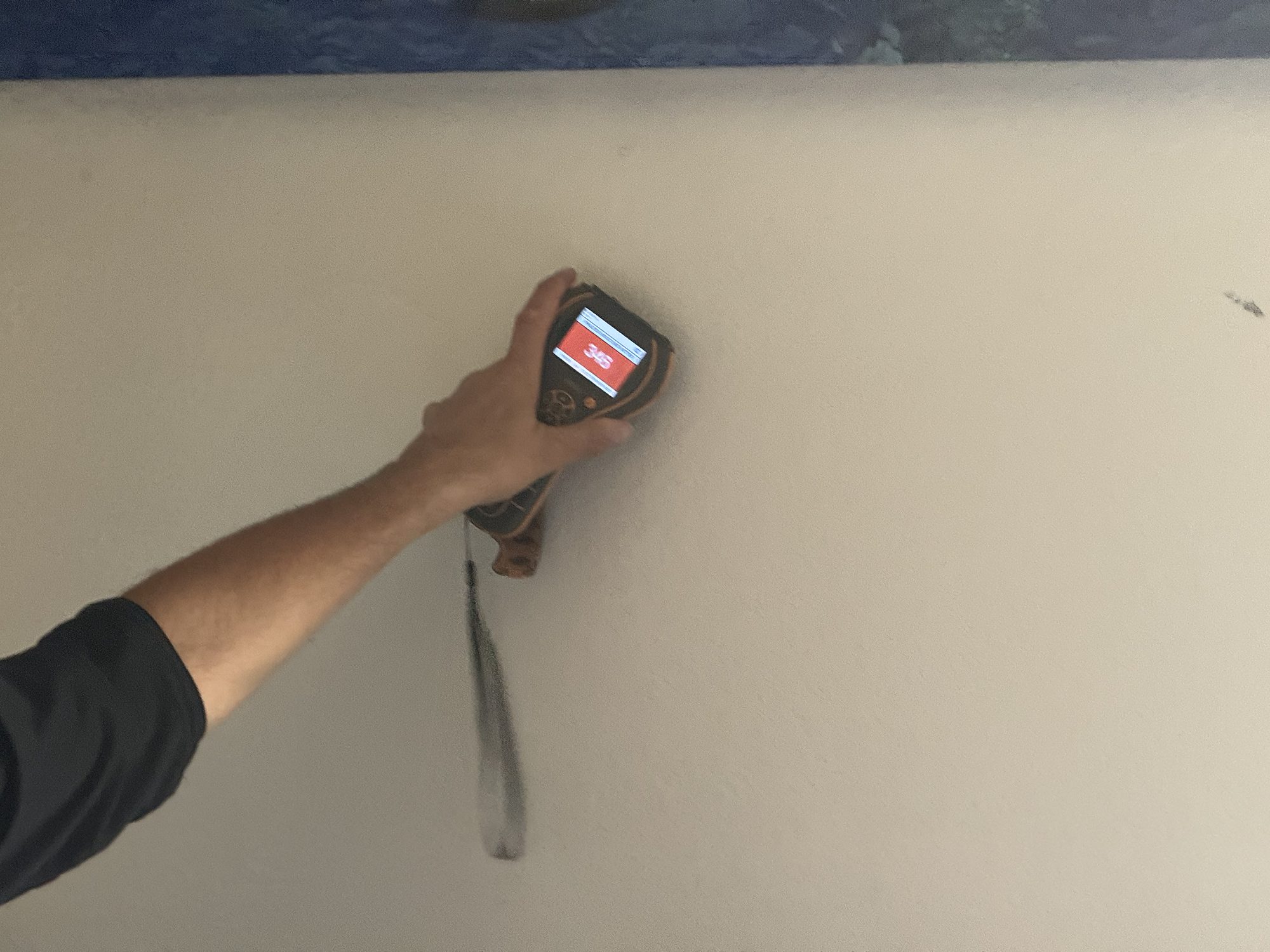
Technician taking a moisture meter reading to locate hidden water inside a wall in a San Diego home

Comprehensive Water Restoration Solutions

Slab Leaks: A Hidden Threat to Your Home

One of the most challenging and destructive types of water damage occurs beneath your home’s foundation. Slab leaks can cause extensive structural damage, including:

  • Weakened foundation integrity
  • Cracks in walls and flooring
  • Mold and mildew growth
  • Increased water bills and utility costs

At CCR Construction, we utilize state-of-the-art leak detection technology to locate and assess the extent of the damage. Our team works quickly to stop the leak, mitigate further damage, and restore your home using the highest industry standards.

Appliance and Plumbing Leaks: Common but Costly

Even a small plumbing leak or a malfunctioning appliance can lead to significant water damage. A pinhole leak in a pipe or a broken dishwasher, washing machine, or refrigerator can cause water to seep into:

  • Flooring and subfloors
  • Cabinets and walls
  • Adjoining rooms and crawlspaces

CCR Construction offers comprehensive water damage mitigation services to prevent further damage and restore affected areas. Our process includes:

Stopping the Leak – We quickly identify the source of the problem and halt further water intrusion.

Drying Out the Area – Using industrial-grade dehumidifiers and air movers, we remove excess moisture to prevent mold and structural damage.

Restoring Your Home – Our skilled team works to repair and replace damaged materials, ensuring a seamless restoration.

Emergency Water Repair in the San Diego Area

Water damage can happen at any time, and fast action is critical to minimizing long-term damage. Whether caused by a burst pipe, storm flooding, or an overflowing appliance, CCR Construction offers 24/7 emergency water repair services in the San Diego area.

Our expert team responds promptly with advanced tools and techniques to:

  • Extract standing water
  • Dry and dehumidify affected areas
  • Sanitize and remove contaminants
  • Repair structural and cosmetic damage

No matter the size of the disaster, CCR Construction is equipped to restore your property efficiently and effectively.

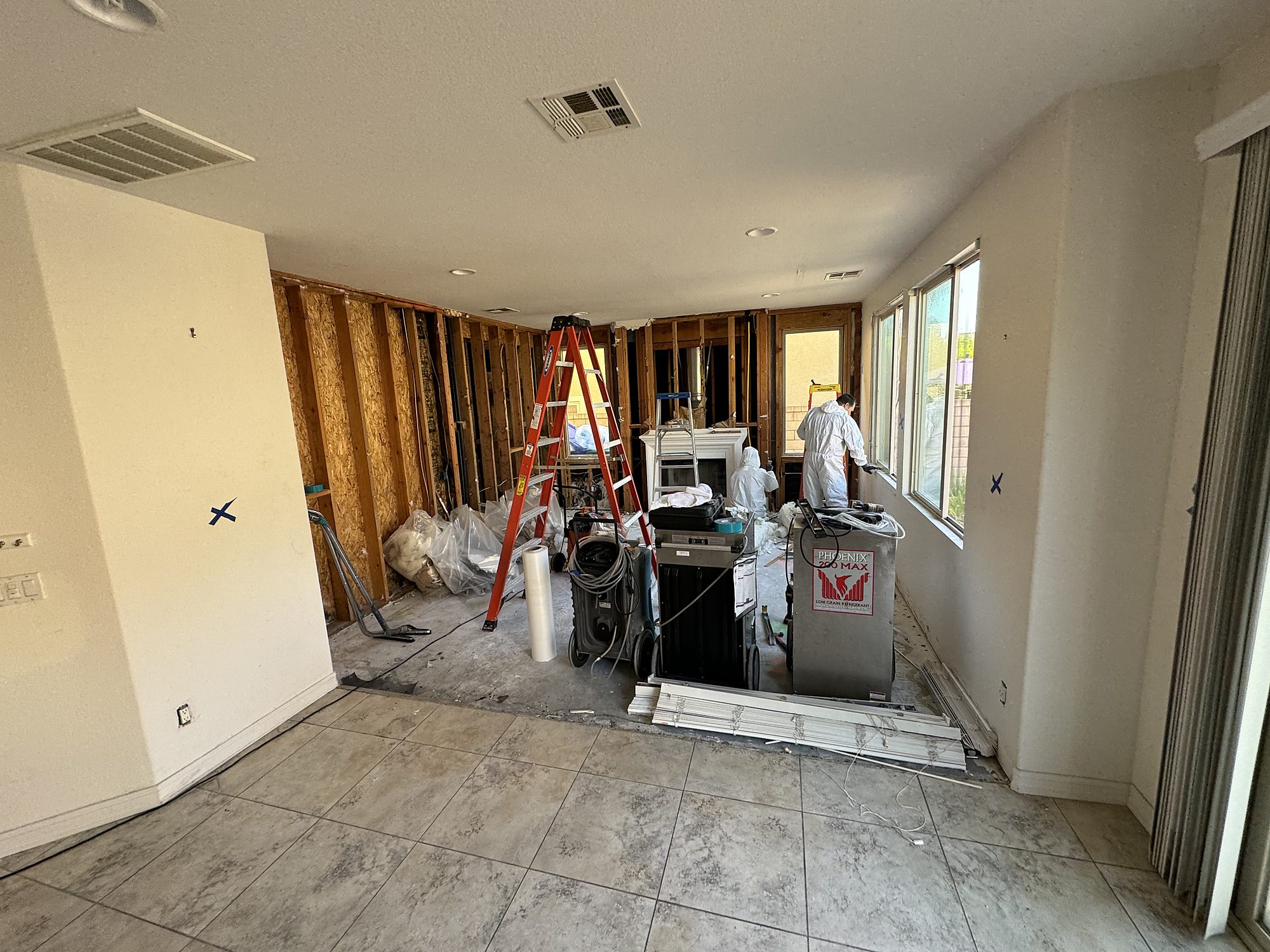
Living room opened to studs with dehumidification equipment running during water mitigation in San Diego
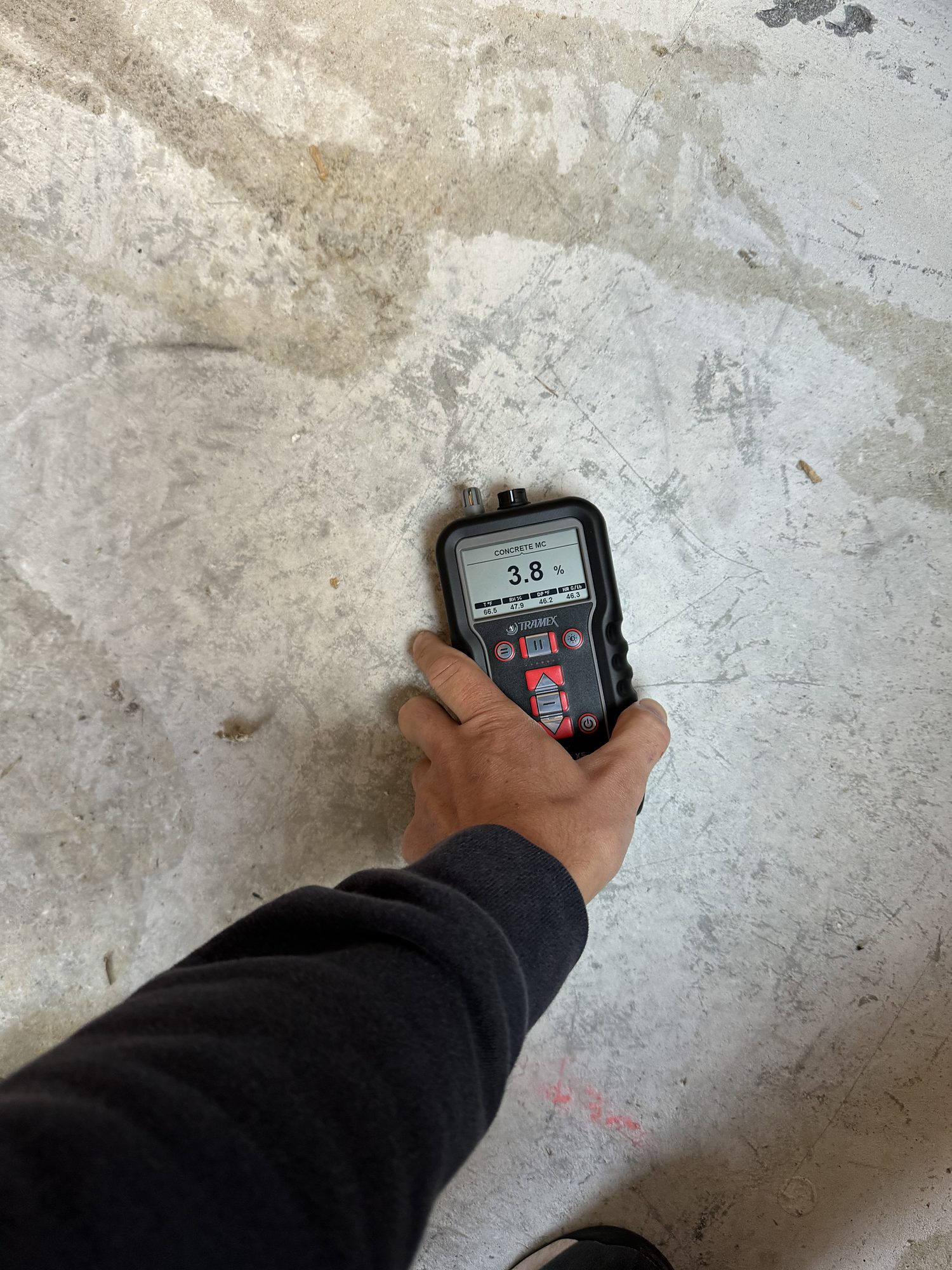
Moisture reading taken on a concrete slab to confirm drying progress during water damage restoration in San Diego

Why Choose CCR Construction for Water Damage Restoration?

When it comes to water restoration and disaster restoration in San Diego, homeowners and businesses trust CCR Construction for our:

Expertise & Experience – Over 20 years specializing in water repair and disaster recovery

Fast Response Times – Emergency same-day service to minimize damage

Advanced Technology – State-of-the-art drying, dehumidification, and leak detection equipment

An IICRC-Certified Firm – Four certified technicians on staff

Approved Vendor on 10+ Carrier Programs – We are not permitted to name them here, but adjusters know us

Top Performer & Golden Hammer Awards – Multiple-time winner, scored on service, quality, and communication

Licensed, Bonded, and Insured – California contractor’s license #813685

Insurance Claims Assistance – We work directly with your insurance provider for a smooth, hassle-free process

Licensed & Insured – Fully certified professionals with a commitment to quality and safety

Preventing Future Water Damage

While water damage mitigations can restore your home, prevention is always the best solution. CCR Construction helps homeowners protect their property with proactive maintenance tips and waterproofing solutions, including:

  • Routine plumbing inspections to detect leaks early
  • Sealing foundation cracks to prevent moisture intrusion
  • Installing water detection systems to alert you of leaks before they cause damage
  • Regular maintenance of appliances to ensure proper functionality
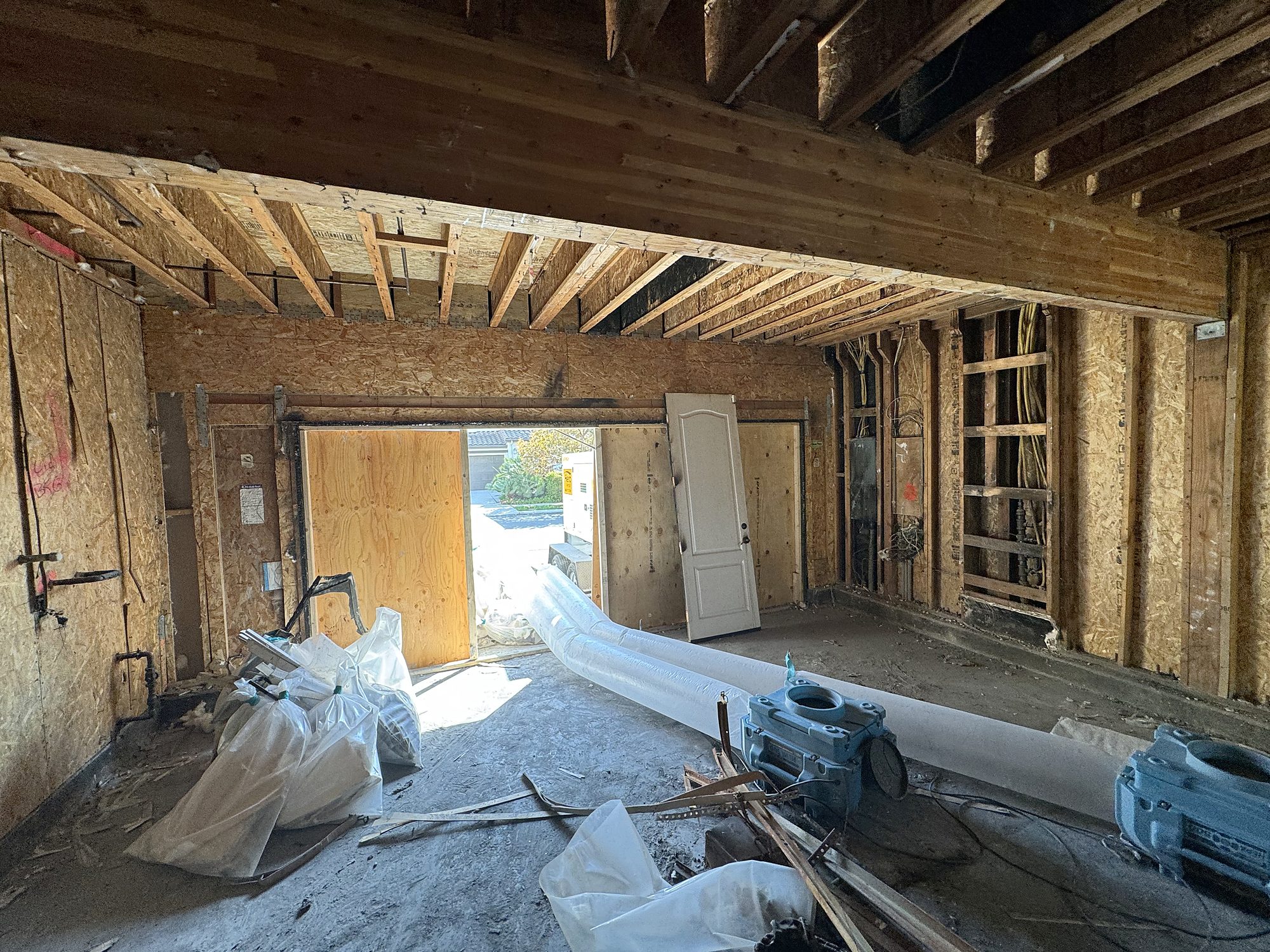
Garage opened to framing with air movers and lay-flat drying duct during structural drying in San Diego

Water Damage Restoration: Common Questions

Hours, not days.

Mold can begin growing on wet drywall, insulation, and framing within 24 to 48 hours. Beyond mold, the longer water sits the more materials cross the line from “can be dried” to “has to be replaced.” Engineered flooring delaminates, drywall loses integrity, and cabinet bases swell and fail.

Acting quickly also protects the claim itself. Policies require you to prevent further damage once you know about it, and a carrier can reduce or deny the portion that accumulated because nothing was done.

This is the question that decides your whole claim, and it turns on one distinction: sudden and accidental versus gradual.

A pipe that bursts, a water heater that fails, a supply line that lets go – those are sudden, and generally covered. A pinhole leak that has been seeping behind a wall for eight months is gradual, and most policies exclude it. The damage in the wall can look identical either way. The cause and the timeline are what decide coverage.

This is the single most common reason a water claim gets denied. It is also why documentation from day one matters so much. Establishing when the loss started and what actually failed is usually worth more than any argument made weeks later.

One more distinction worth knowing: flood, meaning rising surface water from outside the building, is excluded from standard homeowners policies entirely and requires separate flood insurance.

Water is classified by how contaminated it is, and that classification determines what can be saved and what has to come out.

Category 1, clean – from a supply line, water heater, or faucet. Safe at the outset, but it degrades over time.

Category 2, gray – from a dishwasher, washing machine, or a toilet overflow without solids. Contains contaminants.

Category 3, black – sewage, or flood water from outside. Grossly contaminated.

Category matters because it sets the scope. Category 3 means porous materials the water touched – carpet, pad, insulation, and most affected drywall – are removed rather than dried. Category also escalates with time: clean water left standing becomes Category 2, and then Category 3.

It depends on the material, how long it stayed wet, and the water category. A great deal can be dried in place if we reach it quickly, which is cheaper and far less disruptive than tearing it out.

Usually driable: solid wood framing, concrete, plaster, and hardwood flooring when addressed fast.

Usually removed: carpet pad, wet insulation, particleboard and MDF cabinet bases, and any porous material touched by Category 3 water.

We take moisture readings before deciding what comes out, not after. The goal is to remove the minimum the loss actually requires.

By measurement, not by feel.

We establish a drying goal using readings from unaffected areas of the same material in the same building, then take daily moisture readings in the wet materials until they reach that goal.

Those readings are logged and provided to your adjuster, and they do two jobs. They tell you the structure is genuinely dry rather than dry on the surface, and they justify the equipment days on your claim. Carriers question drying equipment left running without documentation to support it.

Closing up a wall that is still wet is exactly how a water loss becomes a mold claim six weeks later.

Typically three to five days for a straightforward loss.

It runs longer where water reached assemblies that are hard to dry – under cabinets, inside wall cavities, beneath engineered flooring, or into a concrete slab. Concrete in particular holds moisture much longer than people expect, and rushing it is what causes flooring failures a year later.

Drying is only the first phase. Repairs and reconstruction follow, and that timeline depends on the scope of damage and how quickly your carrier approves it.

If the structure is dried properly and quickly, mold usually never gets started. That is the entire reason for the urgency.

Where mold is already present, the job changes. It requires containment, negative air pressure, and specific removal protocols rather than simply drying the area, and larger jobs in California carry additional requirements.

If we find mold, we will tell you plainly rather than drying over the top of it.

Slab leaks are the hardest losses to catch early, because the water is underneath the foundation and you usually notice the symptoms before the source: a warm spot on the floor, an unexplained jump in the water bill, or the sound of water running when everything is shut off.

The work comes in two parts. The leak itself has to be located and repaired, and then the moisture that migrated through the slab and into framing, baseboards, and flooring has to be dried out.

Because concrete releases moisture slowly, slab losses generally take longer to dry than surface losses, and drying them properly is what prevents flooring problems later.

On a covered loss you pay your deductible and your carrier pays the balance up to your policy limits. We bill the carrier directly.

Mitigation is estimated in Xactimate, the platform carriers and adjusters use, and it is priced on documented equipment days and the actual affected square footage. That is why the moisture logs matter – they are the justification for what is billed.

Total cost depends on how much got wet, what category the water was, and how much has to be rebuilt afterward. Any number quoted before a walkthrough is a guess, and we would rather not give you one.

Contact CCR Construction for Water Damage Restoration in San Diego

If your home has suffered from water damage, don’t wait to take action. The longer moisture lingers, the greater the risk of mold growth, structural damage, and costly repairs. Let the experts at CCR Construction help you recover with top-tier water restoration services.

Call us today to schedule an assessment and take the first step toward restoring your home—and your peace of mind.

Get Help Now!

By submitting my data I agree to be contacted